
Ramadan is a beautiful time for reflection, patience and reconnecting with our body and soul.
While fasting brings many benefits, it can also feel a little challenging, especially when it comes to energy, hydration, digestion and focus. The key? A balanced, mindful approach that nourishes our body while honouring the spirit of the holy month.
Here are some simple, practical tips to help you (and your family) stay well throughout the fasting month.
1. Mindful fasting
Fasting is not only about avoiding food and drinks. It’s also about being more aware of how fast we eat, how much we eat and even how our body reacts after meals.
Remember to:
Eat slowly during iftar (breaking fast)
Stop when you feel comfortably full
Avoid overeating just because you have waited the whole day
This helps your digestion work better and keeps energy more stable. Mindful eating also supports digestive comfort during long fasting hours and prevents overeating at iftar.
2. Stay hydrated
Dehydration is one of the most common issues during Ramadan. While good hydration can actually help maintain energy, prevent lethargy and support digestion.
Remember to:
Spread water intake regularly between iftar & sahur (pre-dawn meal), not all at once
Aim for small sips every 30-60 minutes
Include hydrating foods like soup, fruits & veggies
3. Build a healthy balanced iftar & sahur plate
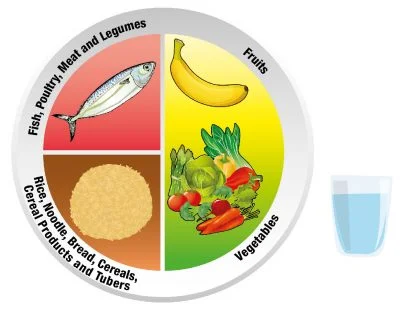
A healthy and balanced meal should include:
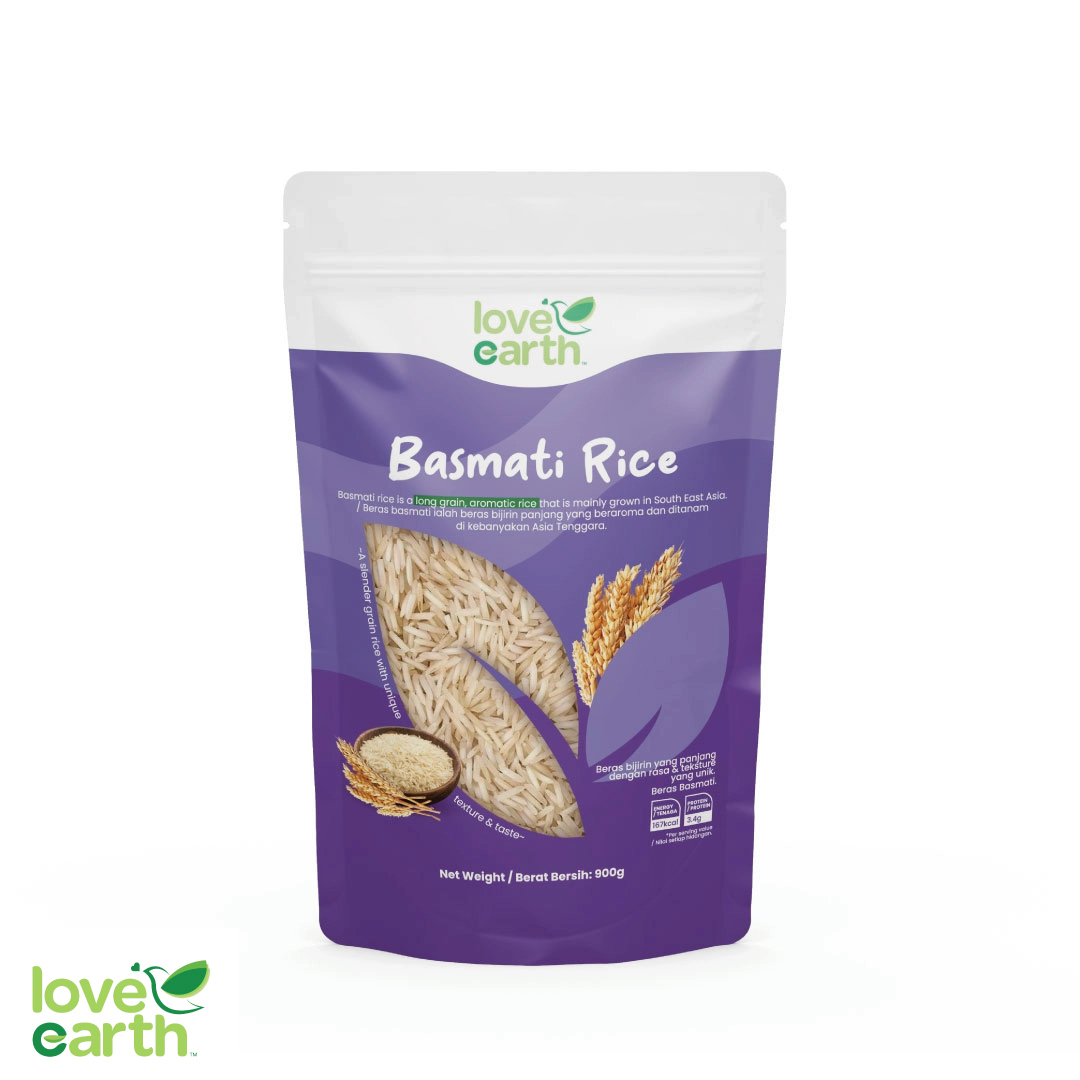
¼ plate grains or grain products, preferably whole grains such as brown rice, oats or wholemeal bread (for source of energy)


¼ plate fish or, poultry, meat, or egg (for muscle and fullness)
½ plate of fruits and vegetables (for better digestion and less constipation)
Here are some example meals:
4. Don’t forget fiber
When you fast long hours, your digestive tract has less activity during the day. This can cause your intestines to slow down…and without enough fibre, stool moves slowly too!
It can lead to uncomfortable digestive issues like bloating, constipation and an uncomfortable stomach.
5. Support Your Gut
Changes in eating time & meal size can affect your gut health. Supporting your gut may help:
Digestion comfort
Bloating control
Nutrient absorption
Overall immunity
Taking probiotics help keep your digestive system resilient throughout Ramadan.


6. Mindful Snacking
Snacking during Ramadan is not compulsory.
If your iftar and sahur are already balanced and satisfying, you may not need extra munch in between.
However, a small and mindful snack can be helpful if you:
Feel hungry again after tarawih (special night prayer during Ramadan)
Stay awake longer at night
Tend to overeat at sahur because you were too hungry before sleeping
A mindful Ramadan snack should be:
Light & easy to digest



Not too sweet, salty or oily


Contains fibre and healthy fats
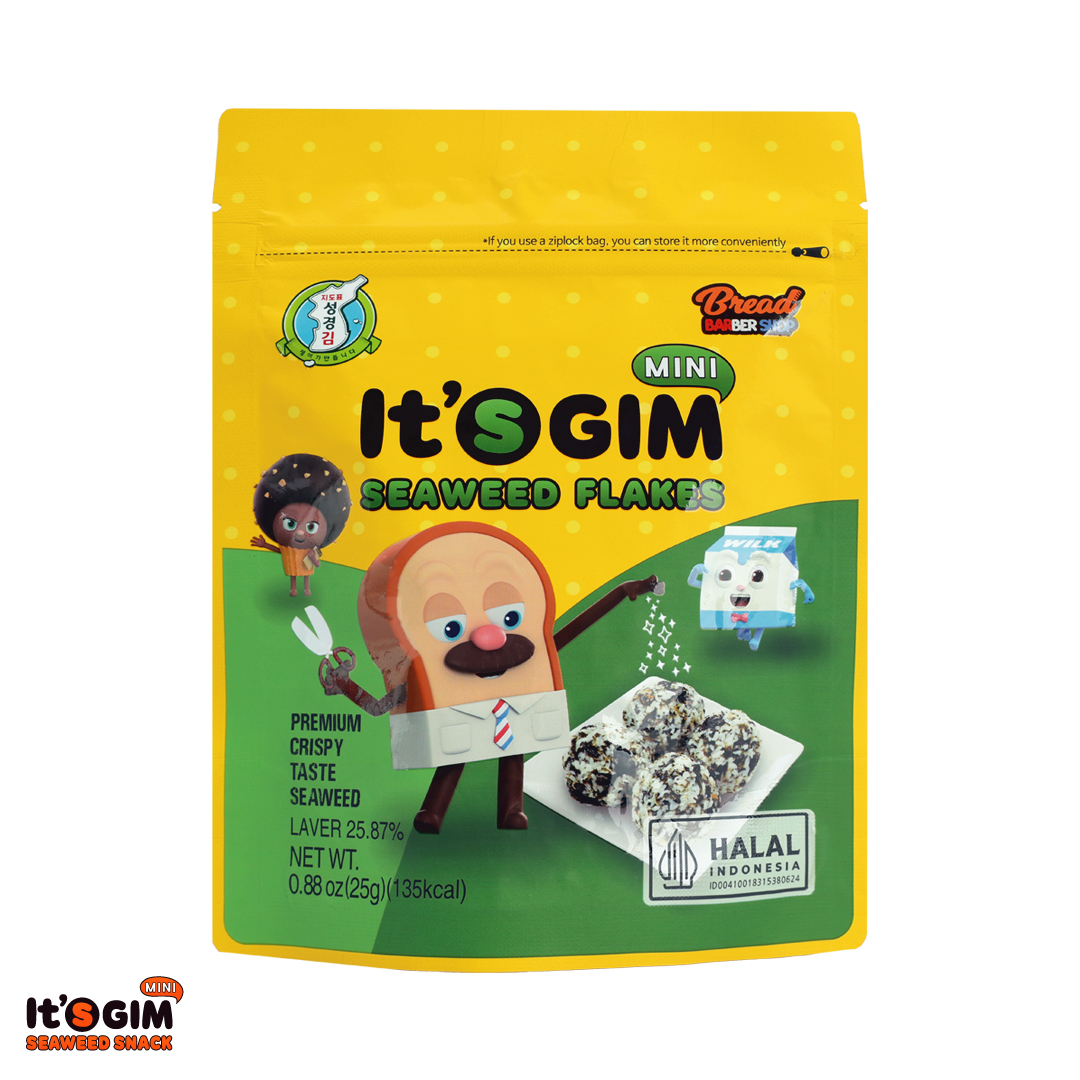
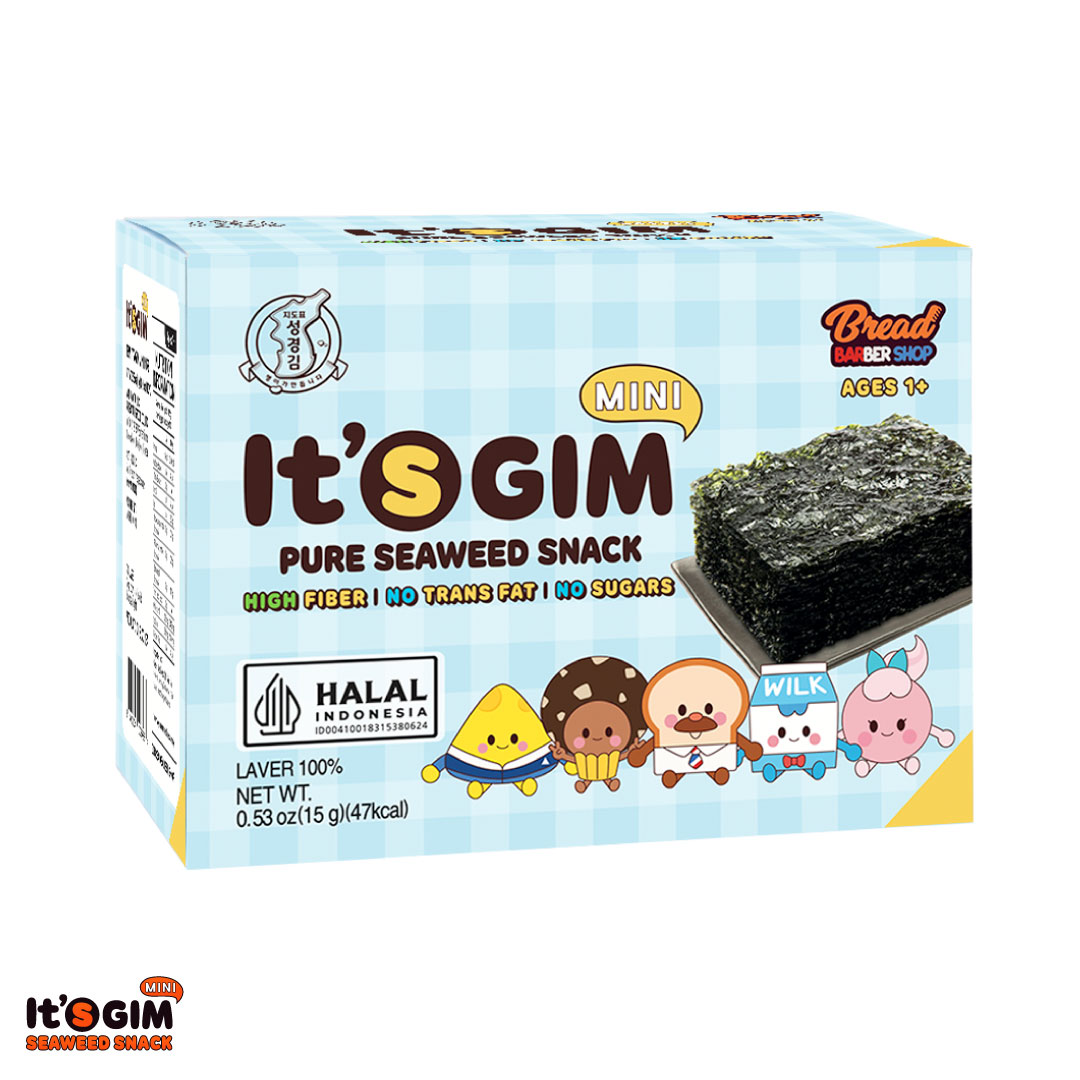
The key is to snack in small portions and only when you are truly hungry, not just because food is available.
7. Optimise Your Sleep
Late-night prayers and early Sahur can disrupt your sleep schedule, thus affecting daytime energy.
If possible, aim for enough rest by:
Sleeping earlier
Taking short naps during the day
Having consistent sleeping time
Sufficient rest improves focus and helps your body adapt to fasting.
8. Stay active
Fasting doesn’t mean you need to stop moving.
In fact, light & gentle activity helps:
Keep your body active
Support digestion
Reduce stiffness & tiredness
The key is to avoid overexertion. Simple activities are more than enough, such as gentle walking, slow jog or light stretching.


The best time?
About 2 hours after iftar
Shortly before iftar, at very low intensity
Takeaway Message
Ramadan is more than just fasting for a month. It’s a chance to build healthy habits that support your overall wellness. When you care for your body while focusing on spiritual practice, fasting becomes a way to stay healthy, energized and focused.
Related products


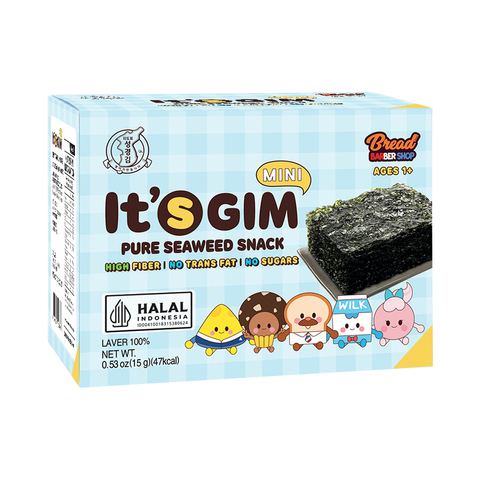

It's GIM Mini Seaweed Snack - Pure (For 12+ Months) | 1 Carton (12 Box)